As I’m sure you all know by now, my pup Milly has some anxiety issues. It got me thinking, are other dog breeds more susceptible to anxiety than others?
A Finnish study from 2020 tested 13,715 dogs from 264 breeds. More than 70% of these dogs exhibited signs of anxiety, according to their pet owners.
In this post, we’ll share what this study unveiled about leading anxiety traits as well as 7 most anxious dog breeds of all.
Let’s dive in!
What are the leading anxiety traits in different dog breeds?
Anxiety traits in dogs refer to observable behaviors and physiological responses exhibited by dogs experiencing unease, fear, or apprehension in response to specific stimuli or situations.
The Finnish study we mentioned earlier gives us these figures:
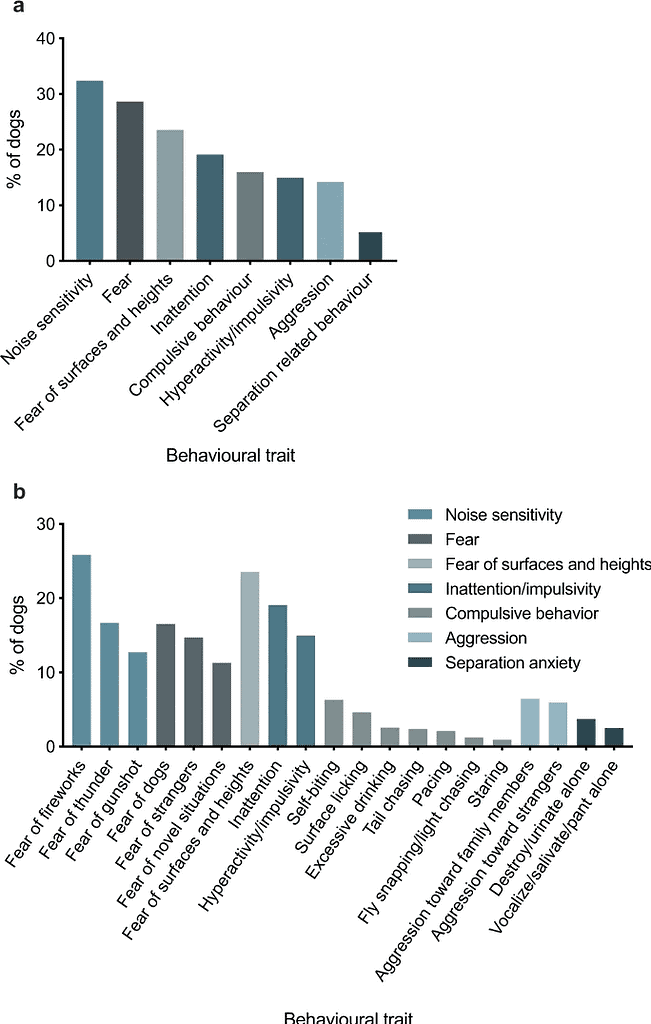
As seen in Figure (a), noise sensitivity is the leading anxiety attribute in dogs. Most dogs exhibit typical dog anxiety symptoms when they hear some disturbing noise.
Figure (b) takes us deeper into the issue and shows what kind of noises act as anxiety triggers. Here are the leading ones:
- Fear of fireworks noises
- Fear of thunder
- Fear of gunshots
The figure above breaks down fear-based anxiety in dogs, which leads to stress and anxiety in 29% of dogs. Many dogs have fears based on different types of surfaces and heights, as well as other dogs and strangers.
7 Most Anxious Dog Breeds
Let’s look into some highly anxious dog breeds and suggest some steps to help address their anxiety.
Lagoto Romagnolo
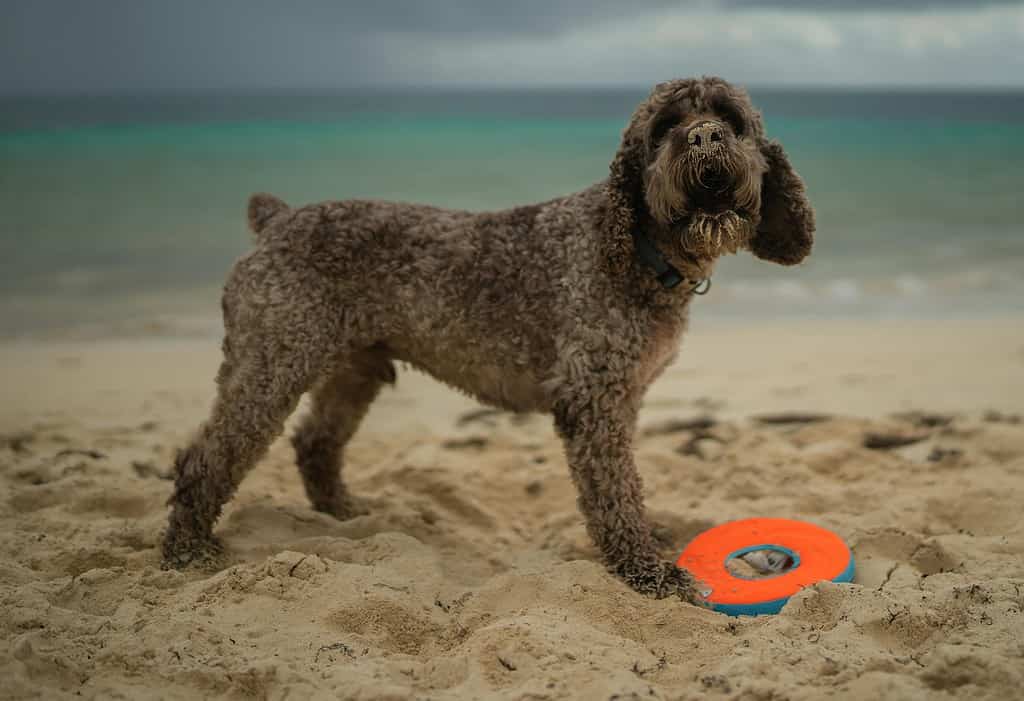
The Lagotto Romagnolo is an Italian breed originally bred as a water retriever. According to the Finnish study, about 34% of these dogs exhibit anxiety symptoms when they experience fear of thunder. They may demand their owner’s attention and comfort when storms or fireworks are around.
These dogs also have a strong sense of attachment with their owners. So, another leading anxiety-causing factor is separation from their owner. To tackle this issue, owners should gradually desensitize them to being alone and avoid leaving them alone for long spells. It’s best to provide some mental stimulation and establish a consistent routine.
Rough Collie
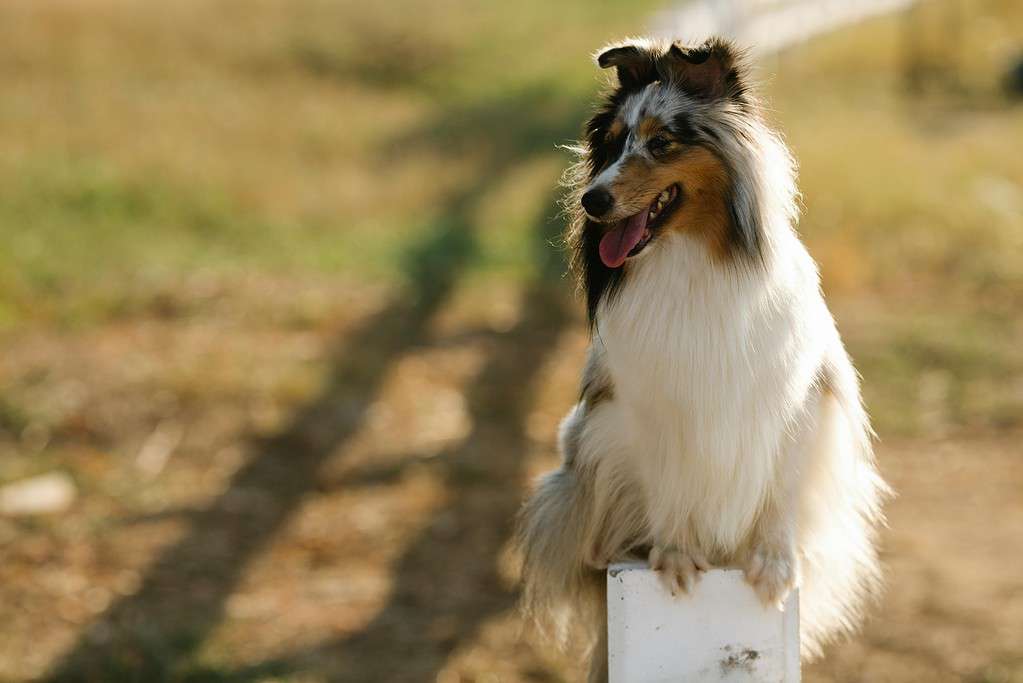
Next in this list of anxious dog breeds is Rough Collie. These dogs may show signs of anxiety (panting, pacing, trembling, hiding, or barking excessively) on elevated surfaces or floors. They have a fear of heights or surfaces.
Apart from that, this intelligent breed often faces anxiety triggers related to changes in their environment. Providing a safe space, ensuring positive reinforcement training, and maintaining a consistent schedule can help relieve their distress and boost confidence.
Mixed Dog Breeds
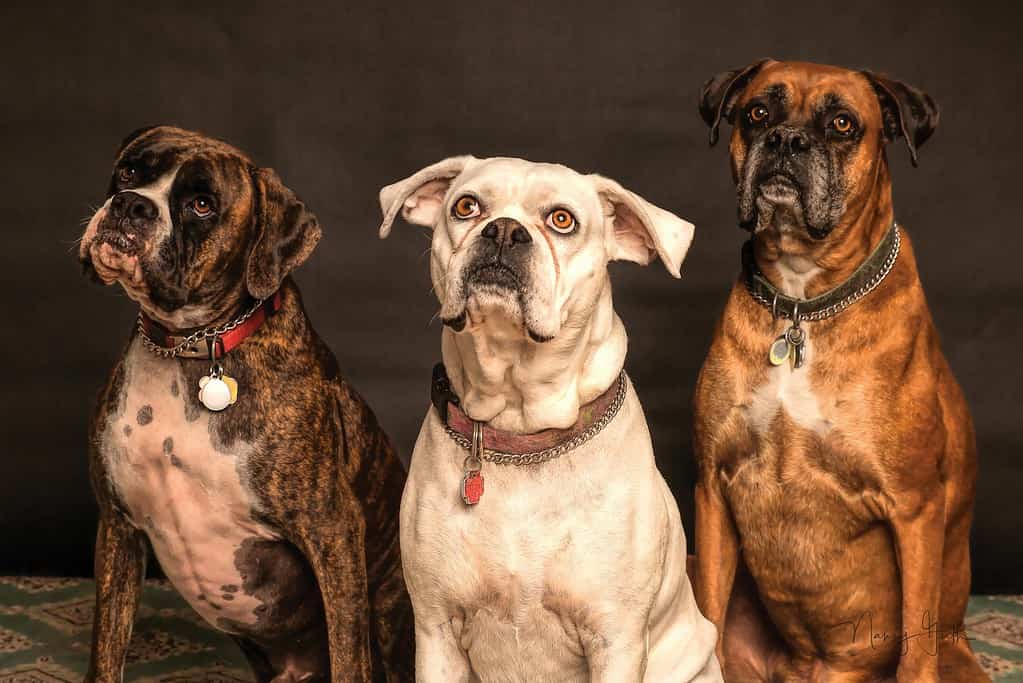
Mixed-breed dogs encompass a diverse genetic background, which makes it challenging to pinpoint specific anxiety causes. Due to their varied heritage, they may inherit anxiety traits from any contributing breeds.
As per the study of 13,715 dogs, the mixed breed is most anxious when:
- You don’t give enough attention to them
- They feel hyperactive or impulsive
Owners should focus on understanding their dog’s individual needs and behaviors. They should observe for signs of anxiety, such as excessive barking or destructive behavior.
To effectively tackle the issue, enhance positive reinforcement techniques tailored to their unique personality. Ensure proper socialization from an early age and provide a stable and nurturing environment. This will help effectively address any anxiety-related issues in mixed-breed dogs and promote their overall well-being and happiness.
Miniature Schnauzer

Miniature Schnauzers are energetic and affectionate dogs prone to anxiety (particularly in unfamiliar situations). Their vigilant nature can worsen anxiety when encountering new stimuli.
It’s best to engage them in regular exercise, train them for obedience, and provide ample mental stimulation to redirect their energy positively and reduce anxiety levels.
Border Collie

Border Collies are intelligent and active dogs susceptible to anxiety if not adequately stimulated. The lack of mental and physical exercise can lead to boredom and anxiety-related behaviors.
Therefore, we recommend Border Collie owners prioritize finding sufficient outlets for mental and physical stimulation. You can opt for agility training, interactive toys, and regular exercise routines.
Wheaten Terriers

Wheaten Terriers are best known for their friendly nature. When experiencing anxiety, the most common dog anxiety symptoms that they may exhibit are panting alone, drooling, or excessive barking. Other less common but existing symptoms include destructive behavior and house soiling. If your dog is being destructive or soiling in the house, it means their anxiety is pretty prominent. You should consider seeking professional advice from a vet or other qualified professional.
Moreover, Wheaten Terriers most commonly suffer from separation anxiety when left alone. Their strong bond with their owners often is the root cause of this issue.
To reduce the intensity of a Wheaten Terrier’s anxiety, dog owners should gradually acclimate them to being alone — starting with short absences and progressively increasing the duration.
Also, consider providing interactive toys or puzzles that can offer mental stimulation. Alternatively, you can enroll them in doggy daycare or hire a pet sitter. Keeping them busy and engaged will help to relieve their distress.
Spanish Water Dog Breeds

Nearly 29% of Spanish Water Dogs studied exhibited strong anxiousness around strangers.
Spanish Water Dogs originate from Spain and they have natural instincts as working dogs.
The breed has a strong loyalty to their family members, contributing to their uneasiness around strangers. Strangers are perceived as potential threats to their pack.
Plus, if there’s insufficient socialization during the critical developmental period, it can worsen this fear. It may lead to heightened anxiety in unfamiliar situations.
Given the background, the best way to tackle a Spanish Water dog’s anxiety is to engage them in early and extensive socialization. Also, owners can use reward-based training to build their dog’s confidence and reinforce calm behavior. Consider engaging the dog with a mentally stimulating activity like puzzle toys for extra stressful situations.
Final Words
Well, according to studies, almost all dogs experience anxiety at a point or two. The seven dog breeds mentioned above are just a little more prone to anxiety than the rest.
So, it’s a good idea for all dogs to incorporate therapies like aromatherapy and acupuncture, which have shown promise in reducing stress and promoting relaxation. Additionally, exploring calming supplements or herbal remedies under a vet’s guidance can offer supplementary support in alleviating anxiety symptoms.