

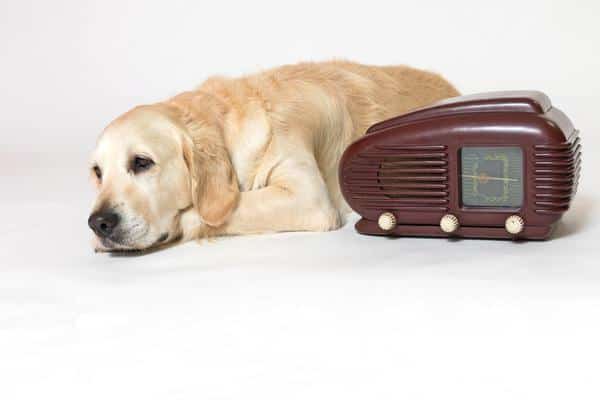
Music therapy is a widely recognized practice that involves using music to promote healing and relaxation. It has been found to have numerous benefits for both humans and animals, including dogs. Dogs, just like humans, can experience anxiety and stress, and music therapy has been shown to be effective in reducing these issues.
What is Music Therapy and How Does it Work?
Introduction to music therapy
Music therapy is the use of music to promote emotional, cognitive, and physical well-being. It involves a trained music therapist who uses various techniques and interventions to help individuals achieve their therapeutic goals. For dogs, music therapy can be used to reduce anxiety, promote relaxation, and improve overall well-being.
The calming effects of music on dogs
Research has shown that music has a calming effect on dogs. When exposed to certain types of music, dogs’ heart rates decrease, their stress levels reduce, and their nervous system relaxes. This calming effect can help to soothe anxious dogs and create a more peaceful environment for them.
How music therapy can soothe and calm anxious dogs
Music therapy works by providing dogs with soothing and calming music. The choice of music is important, as certain types of music, such as classical music and soft rock, have been found to be particularly effective in reducing anxiety in dogs. This type of music has a slow tempo, smooth melodies, and minimal abrupt changes, which helps to create a calming and relaxing atmosphere for the dog.
Types of Music that Help Calm Dogs
Classical music for dog relaxation
Classical music, such as compositions by Mozart and Beethoven, is often used in music therapy for dogs. The calm and soothing melodies can help to relax the dog and reduce anxiety. Studies have shown that dogs exposed to classical music exhibit lower levels of stress and anxiety compared to those not exposed to music.

Soft rock and calming music for dogs
Soft rock and calming music, typically characterized by gentle melodies and soothing vocals, can also have a calming effect on dogs. This type of music can help to create a peaceful environment and promote relaxation. Playing soft rock or calming music in the background can be particularly beneficial for dogs who experience separation anxiety or who are nervous in unfamiliar situations.
Choosing the right kind of music for your dog’s anxiety
Every dog is unique, and what works for one may not work for another. It’s important to observe your dog’s behavior and reactions to different types of music. Some dogs may respond better to classical music, while others may prefer soft rock or even nature sounds. Experiment with different types of music and observe how your dog reacts to find the most effective and calming option for them.
Benefits of Music Therapy for Anxious Dogs
Reducing separation anxiety through music therapy
Separation anxiety is a common issue among dogs, leading to destructive behavior, excessive barking, and other unwanted behaviors. Music therapy can help to reduce separation anxiety by providing a soothing and familiar sound in the owner’s absence. Playing calming music can create a sense of security and comfort for the dog, reducing anxiety and promoting relaxation.
Music therapy to help dogs with phobias and fears
Many dogs have phobias and fears, such as loud noises, thunderstorms, or fireworks. Music therapy can be beneficial in helping dogs cope with these phobias and fears. By playing calming music during these stressful situations, dogs can be distracted and their anxiety levels can be reduced. The soothing melodies can provide a sense of security and help the dog stay calm.
How music therapy benefits shelter dogs and dogs in veterinary settings
Shelter dogs and dogs in veterinary settings often experience high levels of stress and anxiety. Music therapy can provide a calming and relaxing environment for these dogs. Playing soothing music in shelters or veterinary hospitals can help to reduce stress levels, promote relaxation, and create a more comfortable environment for the dogs. This can ultimately improve their well-being and increase their chances of finding forever homes.
Tips for Using Music Therapy to Calm Your Dog
Creating a soothing music playlist for your dog
To effectively use music therapy for your dog, create a soothing music playlist tailored to your dog’s preferences. Include a mix of classical music, soft rock, and calming melodies. Observe your dog’s reactions to different songs to determine which ones have the most calming effect.
Playing calming music to help your dog relax during car rides
Car rides can be stressful for many dogs, especially those prone to anxiety. Playing calming music during car rides can help to create a more relaxed atmosphere and reduce anxiety. Choose music with a slow tempo and soothing melodies to help your dog stay calm and comfortable during the journey.
Working with a music therapist to address your dog’s anxiety
If your dog’s anxiety is severe or if you’re unsure how to effectively use music therapy, consider working with a music therapist who specializes in working with animals. They can assess your dog’s needs and create a personalized music therapy plan to address their anxiety and promote relaxation.
Conclusion
The positive effects of music therapy on reducing dog anxiety
Music therapy has proven to be an effective tool in reducing anxiety and promoting relaxation in dogs. The calming benefits of music can help to soothe anxious dogs, reduce stress levels, and create a more peaceful environment. Whether it’s classical music, soft rock, or other calming melodies, music therapy can be a valuable addition to your dog’s anxiety management plan.
Using music as a tool to promote a calm and peaceful environment for your dog
By incorporating music therapy into your dog’s daily routine, you can create a calm and peaceful environment that promotes their well-being. Whether it’s playing soothing music during car rides or providing background music at home, music can help to create an atmosphere of relaxation and comfort for your dog.
Exploring the different types of music that can benefit anxious pets
There is a wide range of music options that can benefit anxious pets. It is important to find the type of music that works best for your dog and triggers a calming effect. With music therapy, you can help your dog reduce anxiety, cope with fears and phobias, and ultimately improve their overall quality of life.
FAQ
What is music therapy?
Music therapy is an evidence-based therapeutic intervention that utilizes the power of music to improve physical, emotional, cognitive, and social well-being.
How can music therapy benefit dogs?
Music therapy can soothe and calm dogs, reducing their anxiety levels and helping them relax. It has been found to have a relaxing effect on anxious pets and can be particularly beneficial for dogs that suffer from separation anxiety or noise phobias.
What kind of music is calming for dogs?
Different types of music can help your dog relax, but music specifically designed for dogs is most effective. There are tracks that combine calming music with low-volume sound effects, which can create a more soothing environment for your pet.
Can dogs benefit from heavy metal music?
While heavy metal music may not be calming for dogs, there is no harm in playing music that you enjoy as long as it doesn’t cause your dog to become anxious or bark excessively.
How does music therapy work in reducing dog anxiety?
Music therapy works by triggering the release of endorphins, which are feel-good hormones that help reduce stress and anxiety. When dogs listen to calming music, it can distract them from their anxious thoughts and provide a sense of comfort.
Is music therapy only used in veterinary clinics?
Music therapy is commonly used in veterinary clinics to help calm and relax animals, but it can also be used at home to create a soothing environment for your dog. Many pet owners play calming music for their dogs while they are home alone or during thunderstorms.
At what age can dogs benefit from music therapy?
Dogs of all ages can benefit from music therapy. Puppies as young as a few weeks of age can be exposed to calming music to help them feel safe and secure.
Can any type of music be used for dog anxiety?
While any type of music may have a calming effect on dogs, it is best to choose music that is specifically designed for dogs. Listening to classical music or tracks specifically created for calming dogs are likely to have the most positive impact.
Do I need a music therapist to provide music therapy for my dog?
While music therapists can provide specialized interventions for dogs, you can also provide music therapy for your dog at home. There are many online resources and music playlists available that are designed to calm and relax dogs.
Is music therapy a long-term solution for dog anxiety?
Music therapy may not be a permanent solution for dog anxiety, but it can be used as a tool to help manage and reduce anxiety symptoms. It is important to consult with a veterinarian or a professional dog trainer to develop a comprehensive plan for addressing your dog’s anxiety.