Most people love seeing fireworks go off during celebrations like New Year’s Eve, Independence Day, Fourth of July, and other celebrations. If you’re a dog owner, you’ve probably noticed that a lot of dogs are scared of fireworks.
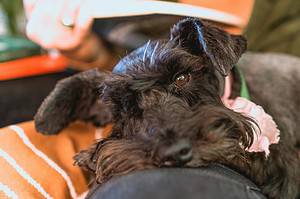
Our pup, Milly, has a fear of both fireworks and thunderstorms. Bright flashes and loud noises can cause dogs to become scared. It’s fair to say that she does not like 4th of July celebrations. So, what can you do to calm your dog during fireworks?
Fortunately, there are several strategies pet owners can use to help their dogs be calm during fireworks.
An understanding of why dogs react the way they do to fireworks is crucial in providing proper support.

Preparing for a fireworks event involves creating a comfortable environment and using tools and techniques to reduce the anxiety dogs may experience. This proactive approach, combined with strategies for the day of the event, can make a big difference in a dog’s stress levels.
Long-term behavioral training can also equip dogs with the ability to cope with noise more calmly in the future.
Being mindful of a dog’s emotional well-being before, during, and after fireworks displays is essential to their overall health and happiness.
Key Takeaways
- Creating a relaxing environment helps alleviate a dog’s anxiety.
- Proactive preparation and training can reduce stress during fireworks.
- Support and care are essential for a dog’s post-fireworks recovery.
Understanding Your Dog’s Fear of Fireworks
Fireworks can induce significant stress in dogs, leading them to exhibit clear signs of anxiety. They may become afraid due to the loud noises and unpredictable nature of fireworks.
Recognizing Signs of Anxiety in Dogs
Recognizing when a dog is anxious or scared due to fireworks involves observing specific behaviors. They may display:
- Pacing or restlessness
- Whining or barking
- Shaking or trembling
- Excessive drooling or panting
- Attempts to escape or hide
Why Many Dogs Are Afraid of Fireworks
The primary reason many dogs are afraid of fireworks is the intensely loud noise they produce. Fireworks generate a series of rapid, explosive sounds and booms that many dogs find threatening. The unpredictable flashes of light and the smell of burning also contribute to a dog’s fireworks anxiety. Since dogs have acute hearing, the loud noise of fireworks can cause them overwhelming distress. This can activate their fight or flight response, causing them to feel the need to flee or hide as a defensive response.
Pre-Event Preparation

Before a fireworks event, you’ll need to prepare to ensure your dog is comfortable and safe. By creating a controlled environment, familiarizing your dog with firework sounds, and seeking professional advice, you can significantly mitigate stress and anxiety in your pet.
Creating a Safe Space for Your Dog
A designated safe space is essential for a dog’s sense of security during noisy festivities. This area should be a familiar indoor location where sounds are muffled and the dog feels at home. Make this space comforting by including your dog’s favorite bed, toys, and items carrying the family’s scent. If your dog has an inside kennel, this could be an ideal place for their safe space. You can also enhance the safe zone with special preparations such as closing the curtains to block out flashes of light and playing soft music or white noise to help mask the sound of fireworks.
Desensitization Techniques to Pre-empt Anxiety
Desensitization involves gradually and gently exposing your dog to firework sounds to reduce fear reactions. Start this process well before an event where fireworks may be expected. Play recordings of fireworks at a low volume for short periods each day, gradually increasing the volume over time as your dog becomes more accustomed to the noise.
Positive reinforcement with treats and praise, when your dog remains calm, can help your dog associate these sounds with positive experiences rather than fear.
Consulting with a Vet or Dog Trainer
Professional guidance is invaluable when preparing a dog for potentially stressful events. Talk to your vet or a certified dog trainer for personalized advice on preparing your specific pet for fireworks. They may suggest an anxiety-reducing protocol or recommend products to help keep your dog calm during fireworks. For dogs with severe anxiety, a consultation with a vet may lead to the prescription of medication to help ease their stress during fireworks.
During the Fireworks

When fireworks burst into the night sky, pet owners must have strategies in place to ensure their dog’s comfort and safety. The following techniques and adjustments can help soothe the stress of these bright, loud events for a dog.
Effective Calming Techniques
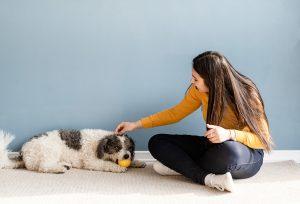
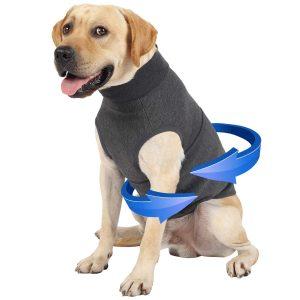
For many canines, physical closeness assures them they are not alone during distressing times. You might comfort your dog by providing gentle, reassuring petting or employing a calming wrap or vest designed to provide continuous, comforting pressure. Another technique is the use of calming pheromones, which can be diffused into the environment.
- Physical Proximity: Sit with your dog or allow it to snuggle into you for protection.
- Calming Apparel: Use specially designed dog vests for anxiety.
Providing Distractions with White Noise or Music
Introducing auditory distractions can be beneficial. Playing white noise or calming music can help mask the sounds of fireworks. It’s best to find these sounds ahead of time and see what your dog responds to before the fireworks start.
- White Noise: Utilize fans or white noise machines to help drown out fireworks sounds.
- Calming Music: Play classical music or specially formulated pet relaxation tracks.
Managing the Environment to Reduce Noise Exposure
Creating a safe space within a home that limits the outside noise can drastically affect a dog’s anxiety levels. This might mean moving your dog into an interior room with fewer windows or providing a den-like area such as a crate or under a bed with extra blankets for insulation against the noise.
- Interior Room: Choose a quiet room for the dog to stay in during the fireworks.
- Sound-Proofing: Use blankets or special sound-proofing curtains to muffle outdoor noise.
Long-Term Strategies and Behavioral Training

To mitigate a dog’s fear of fireworks, long-term strategies focus on behavioral modification and the use of calming aids. Implementing these techniques well before fireworks season can significantly reduce a dog’s anxiety.
Professional Training for Sound Sensitivity
Seeking the guidance of a consultant or professional dog trainer specializing in sound sensitivity is a proactive approach to managing a dog’s fear. They utilize structured training methods to help desensitize dogs to startling noises like a fireworks show. It is a gradual process that requires consistency, patience, and an understanding of a dog’s thresholds.
Using Pheromones and Soothing Products
The use of pheromones represents a science-backed method to help calm dogs. Products such as diffusers, sprays, and collars release synthetic versions of the calming pheromones mother dogs produce. There are also products like anxiety vests or thunder shirts, which provide gentle, constant pressure, akin to a reassuring hug, which can help soothe your dog’s anxiety.
Ongoing Desensitization Practices
Desensitization is a long-term strategy involving regular practice exposing a dog to a low volume recording of fireworks while engaging in positive activities, like play or feeding. Over time, the volume is gradually increased as the dog becomes less reactive to the sound. This method helps to reduce the stress and anxiety associated with fireworks. It can be a long journey, but if you can desensitize your dog to keep them calm, this will go a long way in helping with your pet’s anxiety.
Staying Calm and Supportive
The behavior of a pet owner plays a critical role in managing a dog’s anxiety during fireworks. Staying composed and presenting a stable environment are key factors in helping soothe a dog’s stress.
Your Attitude Affects Your Dog’s Anxiety
A calm demeanor is infectious; dogs often mirror their owner’s emotions. When fireworks explode, maintaining a tranquil presence can help a dog feel secure. One should avoid overreacting to a dog’s fear, as this may exacerbate their stress. Instead, pet owners should exhibit confidence and composure, demonstrating to their dog that there is nothing to fear.
Maintaining Routine and Predictability
Predictability offers comfort. Keeping a regular schedule and avoiding erratic changes during high-stress events like fireworks can be beneficial. Pet owners should continue with normal activities such as feeding, walking, and playtime. This routine helps signal to the dog that their environment is stable and controlled despite the unusual noises outside.
Post-Fireworks Care
After the fireworks have ended, it’s essential to help your dog transition back to its normal state of calm. Attentive care can mitigate any prolonged stress your dog may experience.

Checking for Signs of Prolonged Stress
Behavioral Signs: A dog may exhibit lingering signs of stress such as excessive panting, drooling, or pacing. It’s important to watch for changes in behavior that may indicate discomfort even after the event has concluded.
Physical Signs: Check for any signs of physical stress, including changes in appetite or gastrointestinal upset. Persistent stress can manifest physically, and these symptoms may require further attention or soothing measures.
Positive Reinforcement After the Event
Consistency: Maintain a routine to give your dog a sense of stability. Regular feeding times, walks, and play sessions can reinforce a sense of normalcy.
Rewards: Utilizing positive reinforcement can help your dog associate the fireworks experience with positive outcomes. Offer treats, affection, or their favorite toy to soothe and help your dog recover from the stress.
Professional Help and Medical Solutions
In cases where a dog exhibits severe anxiety due to fireworks, seeking professional help such as behavioral therapy and discussing medical solutions with a veterinarian may provide relief. These methods focus on altering the dog’s behavioral response to stress and, when necessary, utilizing appropriate medications or supplements.
Behavior Therapy Options
Behavior therapy for anxious dogs often involves systematic desensitization and counter-conditioning. In desensitization, the dog is gradually exposed to the sound of fireworks at a low volume, which is then incrementally increased as the dog becomes less reactive. Counter-conditioning pairs the fireworks sound with positive experiences, such as treats or playtime, to reshape the dog’s perception. This process requires time and patience and is most effective with the guidance of a professional dog behavior expert.
Medications and Supplements for Severe Cases
For dogs with severe anxiety, a vet may be able to recommend medications that provide immediate short-term relief during fireworks. These can range from sedatives to anti-anxiety medications. It’s critical for dog owners to talk to their vet before administering any medications, as they can advise on the correct dosage and potential side effects. Additionally, there are supplements available that may help soothe a dog’s anxiety, such as pheromone diffusers, melatonin, or L-Theanine. These should also be used under a veterinarian’s supervision.
Conclusion
Fireworks can be a stressful experience for dogs, but there are measures one can take to help alleviate their anxiety. Creating a safe space within the home, such as a quiet room with familiar items, can be a sanctuary for a dog during noisy celebrations. Calming tools like anxiety vests or special soothing music designed for dogs can make a significant difference.
- Keep the dog indoors to muffle the sound of fireworks.
- Distraction with toys or treats can redirect their attention.
- Affection and comfort from the owner often help to reassure the dog.
Before fireworks season, one may consider desensitization training to get the dog accustomed to the sounds, minimizing their fear responses.
If your dog shows extreme signs of stress, consulting a veterinarian for the potential use of anxiety medication or specialized behavior therapy is advised. The most crucial part is to remain composed, as dogs can pick up on their owner’s emotions; staying calm can, in turn, calm the dog. By combining these strategies, owners can significantly improve their dog’s well-being during fireworks and other loud events.