Home / Guides

Guides

Plain-English guides to help you understand your dog's anxiety and what you can try.

Search guides

Latest guide

Understanding Dog Anxiety

Nervous dog? Signs, causes and what helps

A nervous dog worries often, across many everyday situations. Look for a tucked tail, ears held back, lip licking, yawning, shaking or hiding. A vet check, a predictable routine and gentle, reward-based practice around their triggers are the best places to start.

By Sarah / Updated 8 October 2026

All guides

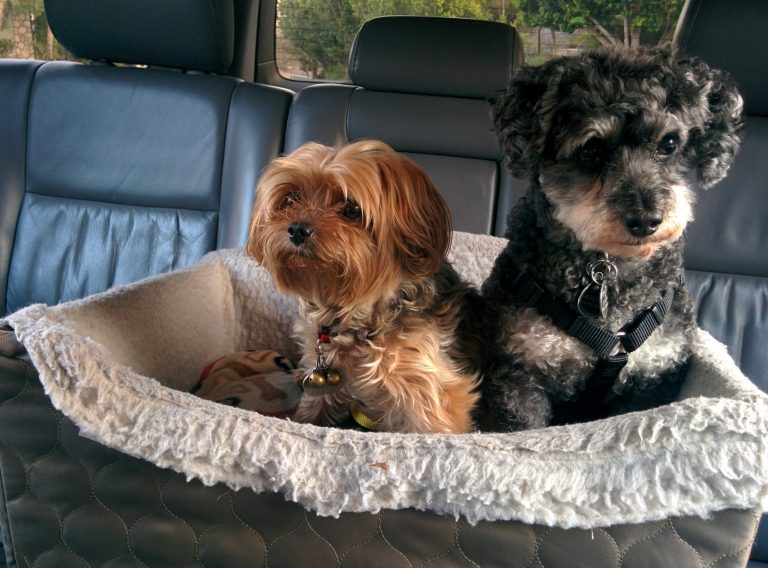
Two small dogs sitting in a padded booster seat on the back seat of a car

Managing Dog Anxiety

Dog car anxiety: signs, causes and what helps

Dogs get anxious in the car because of motion sickness, a frightening past trip, or because the car only ever leads somewhere unpleasant. Work out which you're dealing with, then rebuild your dog's confidence in small steps, starting with a parked car and treats. Your vet can help with nausea and severe anxiety.
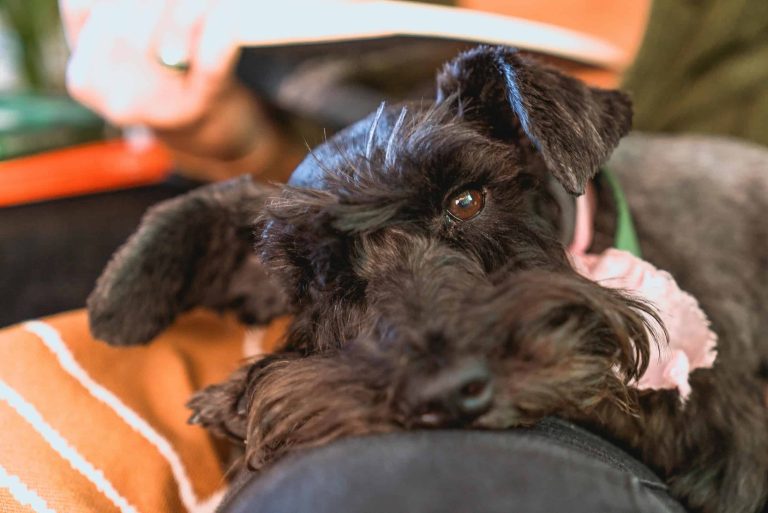
Black Miniature Schnauzer dog breeds laying on owners lap

Understanding Dog Anxiety

7 Dog Breeds Prone To Anxiety

A 2020 Finnish study of 13,715 dogs found noise sensitivity was the most common anxiety trait. Breeds that showed more anxiety include the Lagotto Romagnolo, Rough Collie, Miniature Schnauzer, Border Collie, Wheaten Terrier and Spanish Water Dog, along with mixed breeds.
A dog lying on a cozy blanket, surrounded by toys and treats. Soft music plays in the background as colorful fireworks light up the sky outside

Managing Dog Anxiety, Noise Anxiety

How to calm a dog during fireworks

Before the fireworks start, walk your dog in daylight, set up a quiet den away from windows and close the curtains. During the display, play music or white noise and stay calm and close. If your dog panics every year, talk to your vet well before the next celebration.
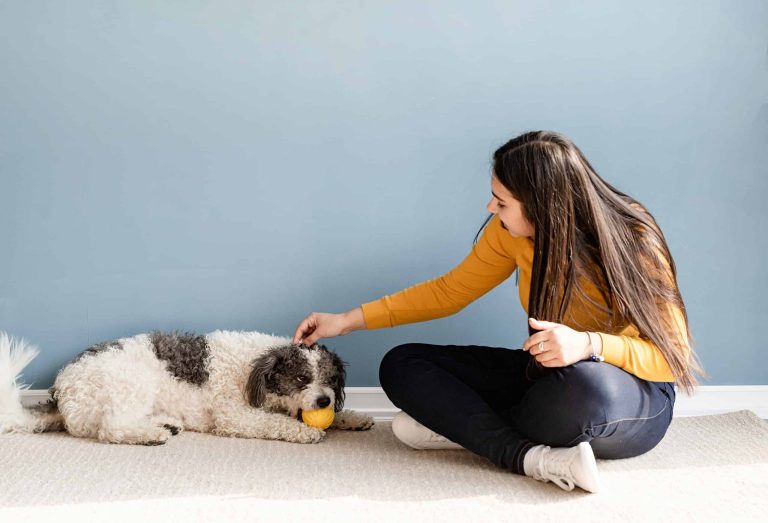
Beautiful brunette woman with playful mixed breed dog, playing and having fun at home

Managing Dog Anxiety, Noise Anxiety

How to calm a dog during a thunderstorm

Give your dog a safe place to retreat to, mask the storm with white noise or quiet music, and stay calm and close. For dogs that panic, talk to your vet early, because storm fear can get worse over time.
cute dog with head tilted to the side

Understanding Dog Anxiety

Fear-Based Anxiety in Dogs

Fear-based anxiety is anxiety triggered by a specific fear, such as a situation or sound your dog finds threatening. Signs include trembling, panting, whining and pacing. Behavior modification can help, and a vet can advise when the fear is extreme.
Maltese poodle, dog and relax on couch with hand, woman and care together with love, bonding or comfort in home. Pet puppy, animal and lying on sofa in living room with calm, quiet and cute in house.

Understanding Dog Anxiety

Separation anxiety in dogs: signs, causes and what helps

Separation anxiety is the distress some dogs feel when they're left alone. Common signs are barking or howling, destructive chewing, pacing and toileting indoors, usually soon after you leave. Short, gradual practice at being alone helps many dogs, and your vet can help with severe cases.
Golden retriever dog lies on the floor with sad eyes at home. portrait of cute doggy

Noise Anxiety, Understanding Dog Anxiety

Noise Anxiety In Dogs: What You Need to Know

Noise anxiety is fear triggered by loud sounds such as thunderstorms and fireworks. A calm safe space, white noise and gradual, positive exposure to the sound can help, and a vet or behaviorist can help with severe cases.

Not sure where to start?

Pick the situation that sounds most like your dog, and we'll point you to the right guide.